Fueling a New Financial Future: The Long-Term Financial Benefits of Owning a Hydrogen-Powered Car

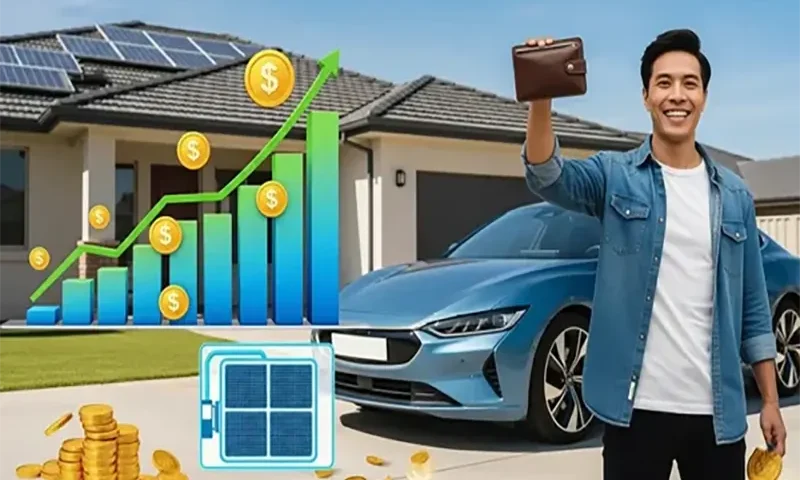
Fueling a New Financial Future: The Long-Term Financial Benefits of Owning a Hydrogen-Powered Car

While hydrogen fuel cell vehicles (FCEVs) are still a niche market, primarily due to limited refueling infrastructure and higher upfront costs, a closer look reveals a compelling case for their long-term financial benefits, especially when comparing them to traditional gasoline-powered cars. For the forward-thinking consumer or fleet operator, the long-term cost of ownership for an FCEV is a critical factor that could ultimately drive its adoption.

1. Zero Fuel Cost for a Period of Time

One of the most significant financial perks of early FCEV ownership is the generous “free fuel” programs offered by manufacturers. To help offset the high cost of hydrogen at the pump and encourage adoption, automakers like Toyota and Hyundai have provided new owners with a substantial fuel card. For example, some programs have offered up to $15,000 in complimentary fuel for purchases or a specified period of time. This completely eliminates the single largest ongoing …

View More Fueling a New Financial Future: The Long-Term Financial Benefits of Owning a Hydrogen-Powered Car


How to ensure smooth business setup in Dubai?

How to ensure smooth business setup in Dubai?

Key Takeaways:

  • Thorough market research and business planning are essential before initiating any setup procedures.
  • Selecting the appropriate legal structure and jurisdiction (mainland or free zone) is critical for long-term success.
  • Engaging a reputable business setup consultant can significantly streamline the process and prevent costly errors.
  • Meticulous preparation of all required documents and understanding the submission process is key to avoiding delays.
  • Maintaining ongoing compliance with all UAE laws and regulations, including tax and labor laws, ensures sustainable operation.

Dubai has solidified its position as a global hub for business and innovation, drawing entrepreneurs from all corners of the world with its attractive opportunities and business-friendly policies. While the environment is supportive, ensuring a smooth Business setup in Dubai requires more than just capital and a good idea. It demands careful planning, adherence to legal procedures, and often, the right professional support. A seamless setup process can save considerable time, …

View More How to ensure smooth business setup in Dubai?
A Breath of Fresh Air: How Electric Vehicles Reduce Urban Air Pollution and Noise

A Breath of Fresh Air: How Electric Vehicles Reduce Urban Air Pollution and Noise

Our cities, the hubs of human activity and economic growth, are also at the epicenter of two of the most pervasive forms of environmental degradation: air pollution and noise pollution. For decades, the constant hum of traffic and the smog-filled air have been accepted as an inevitable consequence of urban life. However, a new generation of vehicles—electric vehicles (EVs)—is poised to fundamentally change this reality, offering a transformative solution to make our cities cleaner, quieter, and healthier.

Reducing Air Pollution: The End of Tailpipe Emissions

The most direct and significant contribution of electric vehicles to urban air quality is the complete elimination of tailpipe emissions. Unlike gasoline- and diesel-powered cars that burn fossil fuels, EVs run on electricity and produce zero exhaust fumes at the point of use.

Traditional internal combustion engine (ICE) vehicles are a major source of a toxic mix of pollutants, including:

  • Nitrogen Oxides (NOx): These gases
View More A Breath of Fresh Air: How Electric Vehicles Reduce Urban Air Pollution and Noise
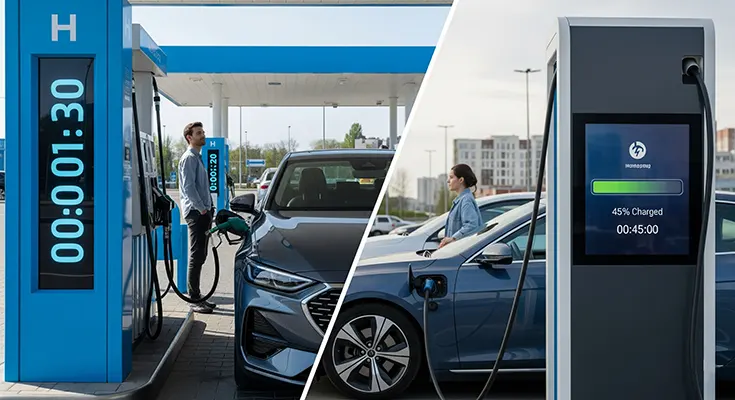
Speed vs. Storage: How Hydrogen Vehicles Offer Faster Refueling Than Electric Cars

Speed vs. Storage: How Hydrogen Vehicles Offer Faster Refueling Than Electric Cars

When it comes to the future of transportation, the debate between hydrogen fuel cell vehicles (FCEVs) and battery electric vehicles (BEVs) is often framed around a single, critical factor: refueling time. While BEVs require a patient wait at a charging station, a hydrogen-powered vehicle can be back on the road in minutes. This significant difference is not a matter of luck but is rooted in the fundamental physics and engineering of each technology.

The core reason for this speed advantage is that FCEVs are designed to be “fueled,” while BEVs are “charged.”

The Physics of Fueling vs. Charging

Hydrogen Fueling: The High-Pressure Flow

Hydrogen fuel cell vehicles store hydrogen gas in high-pressure tanks, typically at 700 bar (10,000 psi). The refueling process is essentially a high-tech version of filling a gas tank:

  1. Pressurized Transfer: A pump at the hydrogen station compresses and cools the hydrogen gas.
  2. Dispensing: A specialized nozzle
View More Speed vs. Storage: How Hydrogen Vehicles Offer Faster Refueling Than Electric Cars
A Smarter Investment: The Long-Term Financial Benefits of Owning an Electric Vehicle

A Smarter Investment: The Long-Term Financial Benefits of Owning an Electric Vehicle

While the upfront cost of an electric vehicle (EV) may still be a point of consideration for some buyers, a growing body of evidence shows that a different story emerges when you look at the total cost of ownership (TCO). From the moment you leave the dealership, EVs begin to deliver significant and compounding financial benefits that, over the long term, make them a smarter and more economical choice than traditional gasoline-powered cars.

1. Drastically Lower Fuel Costs

This is arguably the most significant financial benefit of EV ownership. The cost of electricity to “fuel” an EV is a fraction of what you’d spend on gasoline or diesel.

  • Cheaper Per Mile: While the price of gasoline is subject to volatile global markets, the cost of residential electricity is far more stable. Many analyses show that powering an EV is around 70% cheaper than fueling a gas car.
  • Home Charging Advantage:
View More A Smarter Investment: The Long-Term Financial Benefits of Owning an Electric Vehicle
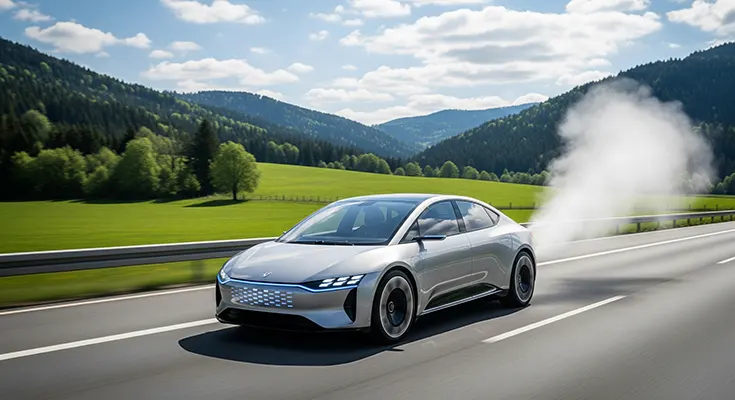
Beyond the Tailpipe: The Environmental Benefits of Hydrogen Fuel Cell Vehicles

Beyond the Tailpipe: The Environmental Benefits of Hydrogen Fuel Cell Vehicles

In the global effort to combat climate change and air pollution, the transportation sector stands as a major contributor to greenhouse gas emissions and harmful pollutants. While battery-electric vehicles (BEVs) have rightly captured the public’s attention, hydrogen fuel cell vehicles (FCEVs) offer a powerful and often misunderstood alternative. By directly comparing FCEVs to traditional gasoline- and diesel-powered cars, their distinct and significant environmental advantages become clear.

1. Zero Tailpipe Emissions: The Ultimate Clean Air Solution

The most immediate and impactful benefit of hydrogen fuel cell vehicles is their complete elimination of tailpipe emissions. Unlike traditional cars that burn fossil fuels and release a cocktail of pollutants into the atmosphere, FCEVs run on a chemical reaction between hydrogen and oxygen, with the only byproduct being pure water vapor and warm air.

This is a game-changer for urban air quality. Traditional vehicles emit:

  • Carbon Dioxide (CO2​): A primary greenhouse gas contributing to
View More Beyond the Tailpipe: The Environmental Benefits of Hydrogen Fuel Cell Vehicles