
Sodium-Ion vs. LFP: The Cost Evolution for Urban Electric Vehicles in 2026

Sodium-Ion vs. LFP: The Cost Evolution for Urban Electric Vehicles in 2026

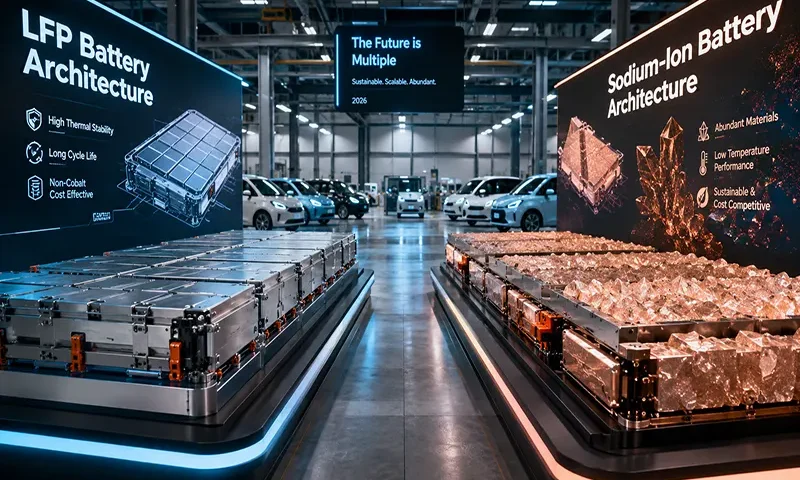
The electric vehicle (EV) battery landscape in 2026 is no longer a singular race toward higher energy density. As the industry matures, the focus has shifted toward cost-optimization, supply chain security, and use-case specialization. At the center of this debate are two chemistries: Lithium Iron Phosphate (LFP), the proven incumbent of the mass market, and Sodium-Ion (SIB), the rapidly rising challenger.

For urban electric vehicles—where range requirements are often secondary to cost and charging frequency—this comparison has become the most critical strategic decision for manufacturers and fleet operators alike.

1. Executive Summary: A Market in Transition

In 2026, LFP remains the “bankable” choice for mainstream passenger EVs. With over half of global EV batteries now utilizing LFP, the chemistry benefits from massive economies of scale, a mature manufacturing infrastructure, and established safety records.

However, Sodium-Ion has moved from the laboratory to mass production. While it is not yet …

View More Sodium-Ion vs. LFP: The Cost Evolution for Urban Electric Vehicles in 2026
Silent Thunder: The Performance Benefits of Electric Vehicles

Silent Thunder: The Performance Benefits of Electric Vehicles

For decades, the sound of a roaring engine and the feel of a multi-gear transmission were the hallmarks of a high-performance car. The idea of a fast, fun-to-drive vehicle was intrinsically linked to internal combustion. However, electric vehicles (EVs) are rewriting the rules of automotive performance, offering a driving experience that is not just different, but in many ways, superior. The key to this transformation lies in two fundamental characteristics of an electric motor: instant torque and continuous acceleration.

Instant Torque: The Power of a Push

In a traditional gasoline car, torque—the rotational force that gets the wheels moving—is only available in a specific, narrow RPM range. When you press the accelerator, a complex series of actions must occur: fuel and air ignite, pistons fire, and a crankshaft rotates, all before power is delivered through a transmission to the wheels. This process, while seemingly fast, introduces a moment of …

View More Silent Thunder: The Performance Benefits of Electric Vehicles
Breathing Easy: Hydrogen Vehicles' Role in Reducing Urban Air Pollution

Breathing Easy: Hydrogen Vehicles’ Role in Reducing Urban Air Pollution

The global push for sustainable transportation is driven by the urgent need to address two critical environmental challenges: climate change and urban air pollution. While the conversation often centers on battery electric vehicles (BEVs), hydrogen fuel cell vehicles (FCEVs) offer a powerful and complementary solution, particularly in densely populated urban areas where the air we breathe is most at risk. By fundamentally changing the way vehicles are powered, FCEVs are poised to play a vital role in cleaning up our cities and improving public health.

The Ultimate Zero-Emission Solution

The most significant contribution of hydrogen vehicles to urban air quality is their complete elimination of tailpipe emissions. A traditional gasoline or diesel car is a major source of a noxious blend of pollutants, including:

  • Nitrogen Oxides (NOx​): These gases contribute to the formation of ground-level ozone, a key component of smog, and are linked to respiratory illnesses and other
View More Breathing Easy: Hydrogen Vehicles’ Role in Reducing Urban Air Pollution
Clearing the Air: The Environmental Benefits of Electric Vehicles Compared to Gasoline Cars

Clearing the Air: The Environmental Benefits of Electric Vehicles Compared to Gasoline Cars

The shift from gasoline-powered cars to electric vehicles (EVs) is a cornerstone of the global effort to combat climate change and improve public health. While some questions remain about the full lifecycle of EVs, a clear consensus has emerged among researchers and environmental agencies: electric vehicles offer significant environmental benefits that traditional gasoline cars simply cannot match. The advantages extend far beyond the tailpipe, touching everything from urban air quality to global carbon emissions.

1. Eliminating Tailpipe Emissions: A Win for Urban Air Quality

The most immediate and obvious environmental benefit of EVs is their complete lack of tailpipe emissions. A traditional gasoline car, by design, burns fossil fuels, releasing a toxic cocktail of pollutants directly into the air we breathe. This includes:

  • Nitrogen Oxides (NOx): These contribute to the formation of smog and acid rain and are linked to respiratory illnesses.
  • Particulate Matter (PM2.5): Microscopic particles that can penetrate
View More Clearing the Air: The Environmental Benefits of Electric Vehicles Compared to Gasoline Cars
Fueling a New Financial Future: The Long-Term Financial Benefits of Owning a Hydrogen-Powered Car

Fueling a New Financial Future: The Long-Term Financial Benefits of Owning a Hydrogen-Powered Car

While hydrogen fuel cell vehicles (FCEVs) are still a niche market, primarily due to limited refueling infrastructure and higher upfront costs, a closer look reveals a compelling case for their long-term financial benefits, especially when comparing them to traditional gasoline-powered cars. For the forward-thinking consumer or fleet operator, the long-term cost of ownership for an FCEV is a critical factor that could ultimately drive its adoption.

1. Zero Fuel Cost for a Period of Time

One of the most significant financial perks of early FCEV ownership is the generous “free fuel” programs offered by manufacturers. To help offset the high cost of hydrogen at the pump and encourage adoption, automakers like Toyota and Hyundai have provided new owners with a substantial fuel card. For example, some programs have offered up to $15,000 in complimentary fuel for purchases or a specified period of time. This completely eliminates the single largest ongoing …

View More Fueling a New Financial Future: The Long-Term Financial Benefits of Owning a Hydrogen-Powered Car
How to ensure smooth business setup in Dubai?

How to ensure smooth business setup in Dubai?

Key Takeaways:

  • Thorough market research and business planning are essential before initiating any setup procedures.
  • Selecting the appropriate legal structure and jurisdiction (mainland or free zone) is critical for long-term success.
  • Engaging a reputable business setup consultant can significantly streamline the process and prevent costly errors.
  • Meticulous preparation of all required documents and understanding the submission process is key to avoiding delays.
  • Maintaining ongoing compliance with all UAE laws and regulations, including tax and labor laws, ensures sustainable operation.

Dubai has solidified its position as a global hub for business and innovation, drawing entrepreneurs from all corners of the world with its attractive opportunities and business-friendly policies. While the environment is supportive, ensuring a smooth Business setup in Dubai requires more than just capital and a good idea. It demands careful planning, adherence to legal procedures, and often, the right professional support. A seamless setup process can save considerable time, …

View More How to ensure smooth business setup in Dubai?