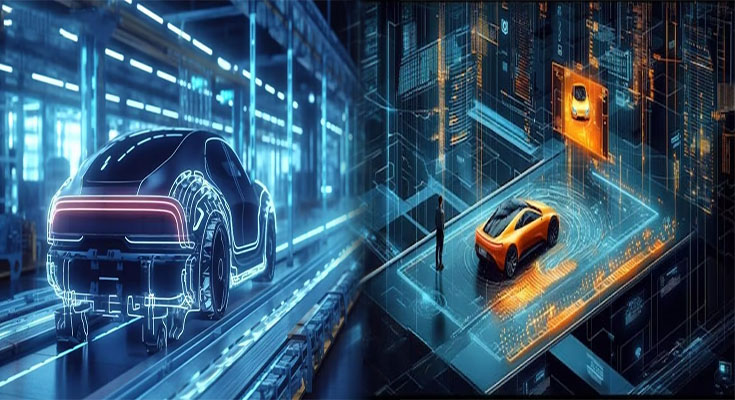

The Electric Revolution Accelerates: Global EV Market Share Forecast for 2030

The Electric Revolution Accelerates: Global EV Market Share Forecast for 2030

The automotive industry is undergoing a monumental shift, with electric vehicles (EVs) rapidly moving from niche status to the mainstream.1 Driven by environmental concerns, technological advancements, and supportive government policies, the global EV market is poised for explosive growth over the next decade. While exact figures vary between analytical firms, the consensus is clear: EVs will command a significant portion of the total vehicle market by 2030.2

Current Landscape: A Glimpse of the Surge

In recent years, EV sales have surged dramatically, consistently breaking previous records.3 This growth is evident across various segments, from passenger cars to commercial vehicles. Tesla, a pioneer in the space, continues to be a dominant force, but traditional automakers like Volkswagen, General Motors, Hyundai, and BYD have rapidly scaled up their EV offerings, introducing compelling models that rival their internal combustion engine (ICE) counterparts in performance, range, and increasingly, affordability.

Government incentives, …

View More The Electric Revolution Accelerates: Global EV Market Share Forecast for 2030

Exploring the Future: Emerging Trends in Car Connectivity and Smart Features

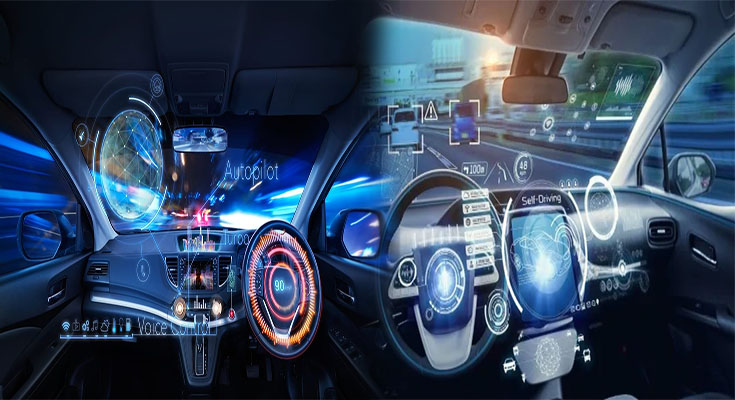
Exploring the Future: Emerging Trends in Car Connectivity and Smart Features

In the fast-evolving landscape of automotive technology, the integration of advanced connectivity solutions and smart features in vehicles is paving the way for a truly interconnected driving experience. As cars become more than just modes of transport, serving as mobile hubs of information, entertainment, and communication, the emergence of innovative trends in car connectivity and smart features is reshaping the driving experience and redefining the relationship between drivers and their vehicles.

Seamless Connectivity: The Backbone of Modern Driving

One of the key trends shaping the automotive industry is the push towards seamless connectivity, enabling vehicles to interact with external networks, devices, and infrastructures. The advent of 5G technology, cloud computing, and IoT (Internet of Things) integration is driving a new era of connected cars, offering an array of benefits to drivers and passengers alike. Key trends in car connectivity include:

1. 5G Connectivity:

The rollout of 5G connectivity is revolutionizing …

View More Exploring the Future: Emerging Trends in Car Connectivity and Smart Features
Emerging Trends: The Shift Towards Electric and Hybrid Vehicles in the Car Industry

Emerging Trends: The Shift Towards Electric and Hybrid Vehicles in the Car Industry

The automotive industry is undergoing a transformative phase as it adapts to changing consumer demands, environmental concerns, and technological advancements. One of the key trends driving this transformation is the increasing shift towards electric and hybrid vehicles.

1. Consumer Preference for Sustainability:

As awareness about climate change and environmental impact grows, consumers are showing a strong preference for sustainable transportation options. Electric and hybrid vehicles are seen as cleaner alternatives to traditional gasoline-powered cars, as they produce fewer emissions and contribute to a lower carbon footprint.

2. Government Regulations and Incentives:

Governments around the world are introducing stringent regulations to reduce emissions and combat air pollution. In response, many car manufacturers are investing in electric and hybrid technologies to meet these regulations and take advantage of incentives like tax credits and rebates for eco-friendly vehicles.

3. Advances in Battery Technology:

One of the biggest challenges for electric vehicles has been …

View More Emerging Trends: The Shift Towards Electric and Hybrid Vehicles in the Car Industry
How Artificial Intelligence is Shaping Car Industry Innovations

How Artificial Intelligence is Shaping Car Industry Innovations

Artificial intelligence (AI) is revolutionizing the automotive industry by driving innovations that enhance safety, efficiency, and overall driving experience. From autonomous vehicles to predictive maintenance, AI is reshaping the future of transportation in unprecedented ways. Let’s explore how AI is shaping the car industry innovations:

1. Autonomous Driving

One of the most notable advancements in the car industry influenced by AI is autonomous driving. Companies like Tesla, Google, and Uber are leveraging AI technologies such as machine learning and computer vision to develop self-driving cars that can navigate roads, interpret traffic signals, and make driving decisions without human intervention. AI-powered autonomous vehicles have the potential to reduce accidents, improve traffic flow, and provide mobility solutions for individuals with limited mobility.

2. Predictive Maintenance

AI is enabling car manufacturers to implement predictive maintenance strategies that can enhance vehicle reliability and reduce downtime. By analyzing data from sensors and systems integrated into …

View More How Artificial Intelligence is Shaping Car Industry Innovations
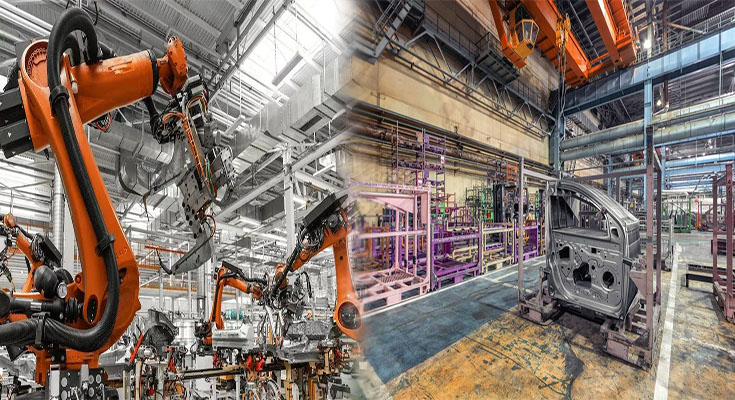
The Impact of Sustainable Materials on the Car Manufacturing Industry

The Impact of Sustainable Materials on the Car Manufacturing Industry

As the world shifts towards a more sustainable and environmentally-friendly approach to manufacturing, the use of sustainable materials in the car manufacturing industry is gaining momentum. This shift is not only driven by environmental concerns but also by evolving consumer preferences and regulations aimed at reducing the carbon footprint of the automotive sector. Let’s take a closer look at the impact of sustainable materials on the car manufacturing industry.

Reducing Environmental Footprint

The traditional car manufacturing process has been associated with significant environmental impact, including high energy consumption, resource depletion, and release of harmful emissions. By incorporating sustainable materials such as recycled plastics, natural fibers, and bio-based materials, automakers can significantly reduce the environmental footprint of their production processes. This, in turn, helps in mitigating the adverse effects of manufacturing on the environment and contributes to the overall sustainability of the industry.

Promoting Circular Economy

The adoption of sustainable materials …

View More The Impact of Sustainable Materials on the Car Manufacturing Industry
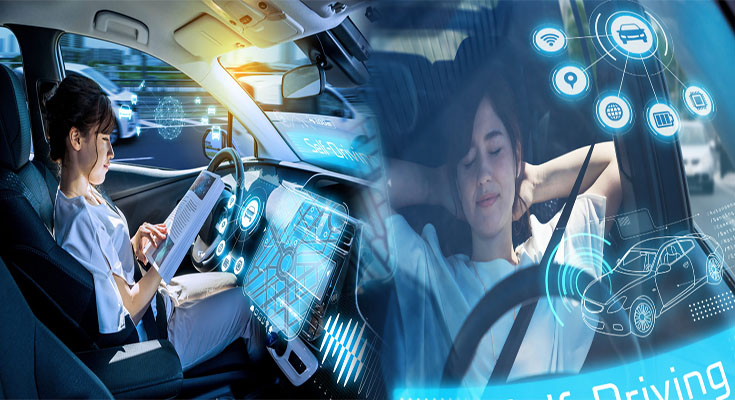
The Future of Autonomous Driving Technology in Cars

The Future of Autonomous Driving Technology in Cars

As technology continues to evolve at a rapid pace, the automotive industry is on the brink of a revolutionary transformation with the advent of autonomous driving technology. With advancements in artificial intelligence, sensor technology, and connectivity, self-driving cars are no longer just a concept of science fiction but a tangible reality that is reshaping the way we think about transportation. Here, we delve into the future of autonomous driving technology in cars and the potential implications for the automotive landscape:

1. Enhanced Safety Features

One of the primary reasons driving the development of autonomous driving technology is the promise of increased safety on the roads. Self-driving cars are equipped with a range of sensors, cameras, and radar systems that can detect obstacles, pedestrians, and other vehicles with precision and accuracy far beyond human capabilities. By eliminating human error, autonomous vehicles have the potential to reduce accidents, injuries, and fatalities on …

View More The Future of Autonomous Driving Technology in Cars