
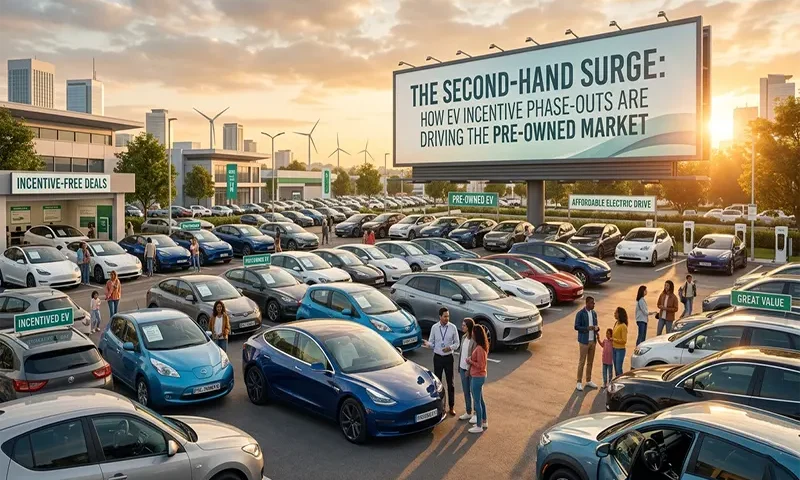
For several years, the narrative surrounding electric vehicle (EV) adoption was dictated by government largesse. Tax credits, purchase rebates, and infrastructure grants formed the scaffolding upon which the transition to electric mobility was built. But as we move through 2026, the industry is witnessing a profound shift: the era of “subsidy-driven” growth is giving way to a more mature, value-driven market.
While the sunsetting of federal and regional tax credits has caused a temporary softening in new EV sales—a drop of nearly 28% in the U.S. in Q1 2026—this policy transition has paradoxically triggered a golden age for the pre-owned EV market.
1. The Post-Subsidy Paradox
The divergence between new and used EV performance in 2026 is one of the most significant trends in automotive history. As federal tax credits for new EVs have become more restrictive or expired entirely, the “new car” barrier for middle-class consumers has risen. Financing …
View More The Second-Hand Surge: How EV Incentive Phase-Outs Are Driving the Pre-Owned Market