
The Great Hydrogen Divide: The Environmental Impact of Hydrogen Production for Vehicles

The Great Hydrogen Divide: The Environmental Impact of Hydrogen Production for Vehicles

Hydrogen fuel cell vehicles (FCEVs) are often lauded as the ultimate clean transportation solution, with their tailpipes emitting nothing but harmless water vapor. However, this “zero-emission” label is only half the story. The true environmental impact of a hydrogen car is not at the tailpipe, but at the point of production. The way hydrogen is produced—and the energy source used for that process—determines whether it is a truly clean fuel or a perpetuator of the very problems it seeks to solve.

The hydrogen industry has adopted a color-coding system to differentiate between various production methods and their associated environmental footprints. Understanding this system is crucial to evaluating hydrogen’s role in a sustainable future.

1. Gray Hydrogen: The Current Reality

The vast majority of hydrogen produced globally today is “gray” hydrogen. This is the most common and cheapest form, but it comes at a significant environmental cost.

  • How it’s Made:
View More The Great Hydrogen Divide: The Environmental Impact of Hydrogen Production for Vehicles
A Chemical Reaction on Wheels: How Hydrogen Fuel Cell Cars Work and Their Efficiency

A Chemical Reaction on Wheels: How Hydrogen Fuel Cell Cars Work and Their Efficiency

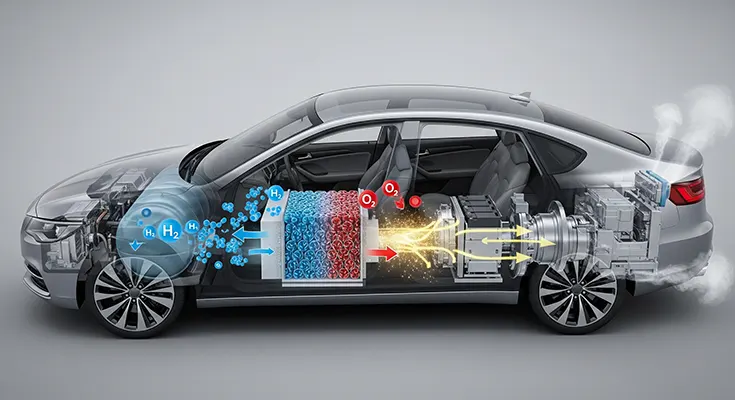
Hydrogen fuel cell vehicles (FCEVs) represent a fascinating and promising branch of the zero-emission automotive industry. Unlike battery electric vehicles (BEVs) that draw power from a large, pre-charged battery, FCEVs produce their own electricity on board, effectively acting as a small, mobile power plant. This process relies on a key chemical reaction within the heart of the car: the fuel cell stack.

How a Fuel Cell Car Works: The Simple Breakdown

At its core, a fuel cell vehicle is a type of electric car. It uses an electric motor to turn the wheels, but the source of its power is different. Here’s a step-by-step look at the process:

  1. Hydrogen Storage: The vehicle stores compressed hydrogen gas (H₂) in a high-pressure, reinforced tank.
  2. Air Intake: The car draws in oxygen (O₂) from the ambient air, typically through a front grille.
  3. The Fuel Cell Stack: This is where the magic happens. The
View More A Chemical Reaction on Wheels: How Hydrogen Fuel Cell Cars Work and Their Efficiency
The High Price of Entry: The Cost and Availability of Hydrogen Fueling Stations for Cars

The High Price of Entry: The Cost and Availability of Hydrogen Fueling Stations for Cars

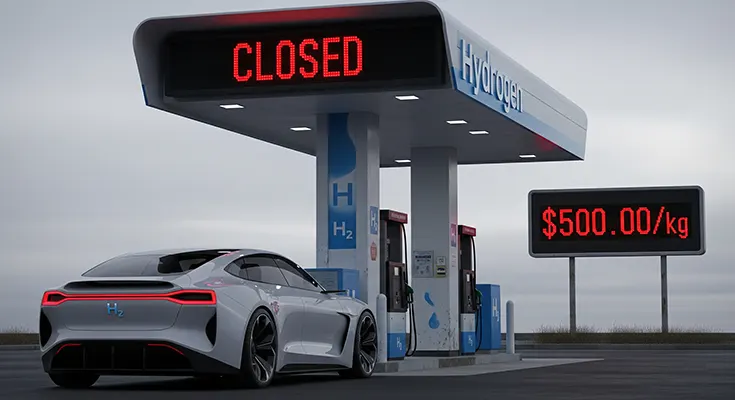
Hydrogen fuel cell vehicles (FCEVs) offer a compelling zero-emission alternative to battery-electric vehicles (BEVs) and traditional gasoline cars. They promise quick refueling times and long ranges, mirroring the convenience of the conventional gas station model. However, a significant obstacle to their widespread adoption is the sparse and costly infrastructure required to support them. The limited availability and high cost of hydrogen fueling stations represent a classic “chicken and egg” problem, where a lack of cars discourages station development, and a lack of stations discourages car sales.

The Cost to Build: A Multi-Million Dollar Investment

Building a hydrogen fueling station is a complex and expensive undertaking.1 Unlike an electric vehicle charging station, which can often be integrated into existing electrical infrastructure with relative ease, a hydrogen station requires a robust system for storage, compression, and dispensing.2

  • High Capital Costs: The cost to build a single hydrogen fueling station for
View More The High Price of Entry: The Cost and Availability of Hydrogen Fueling Stations for Cars
Hydrogen Fuel Cell vs. Electric Vehicles: The Race for Long-Haul Trucking

Hydrogen Fuel Cell vs. Electric Vehicles: The Race for Long-Haul Trucking

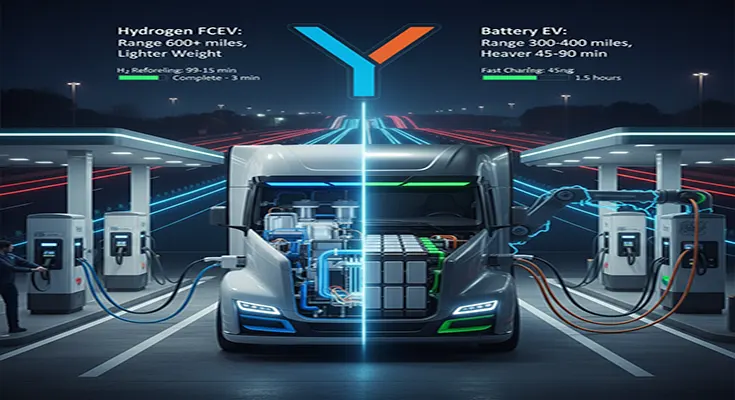
The future of long-haul trucking is at a crossroads, with hydrogen fuel cell electric vehicles (FCEVs) and battery electric vehicles (BEVs) vying for dominance in the quest for zero-emission transportation.1 Both technologies offer compelling advantages over traditional diesel engines, but they also face unique challenges when it comes to the demanding world of long-distance freight.

The Case for Battery Electric Vehicles (BEVs)

Battery electric trucks are essentially scaled-up versions of their passenger car counterparts. They store energy in large battery packs that power electric motors, offering instantaneous torque and silent operation.

Pros of BEVs for Long-Haul:

  • Established Technology: Battery technology is mature and rapidly improving, benefiting from decades of development in consumer electronics and passenger vehicles.2
  • High Efficiency: Electric powertrains are incredibly efficient, converting a large percentage of electrical energy into mechanical energy.3
  • Infrastructure Growth: Charging infrastructure is expanding, with more public and private charging stations becoming
View More Hydrogen Fuel Cell vs. Electric Vehicles: The Race for Long-Haul Trucking
Breaking News in the Automotive Industry This Week

Breaking News in the Automotive Industry This Week

Electric Vehicles Dominate Headlines with Major Announcements

This week in the automotive industry has been marked by significant developments in the electric vehicle (EV) sector. Major automakers have made groundbreaking announcements, solidifying the inevitable shift towards electrification.

1. Ford Unveils Electric F-150 Lightning:

Ford, one of the leading American automakers, made headlines with the official unveiling of the highly anticipated, all-electric F-150 Lightning. This electric version of America’s best-selling vehicle promises high performance, impressive towing capabilities, and a range that rivals gas-powered trucks. The F-150 Lightning has sparked excitement among consumers and industry experts alike, signaling Ford’s commitment to leading the charge in electric vehicle innovation.

2. Tesla’s New Battery Technology Breakthrough:

Tesla, the trailblazer in the electric vehicle market, made waves this week with the announcement of a groundbreaking battery technology breakthrough. CEO Elon Musk revealed plans for a new battery design that promises to significantly improve energy density, …

View More Breaking News in the Automotive Industry This Week
The Latest Top Auto News on Electric Vehicle Innovations: Driving Towards a Sustainable Future

The Latest Top Auto News on Electric Vehicle Innovations: Driving Towards a Sustainable Future

The automotive industry is undergoing a transformative shift towards electrification, with electric vehicles (EVs) leading the charge towards a more sustainable and environmentally friendly future. From advancements in battery technology to cutting-edge design innovations, the latest top auto news on electric vehicle innovations showcases the rapid evolution of EVs and their growing prominence in the global market.

Battery Breakthroughs:

One of the most significant areas of innovation in the electric vehicle sector is the development of advanced battery technologies. The latest news highlights breakthroughs in solid-state batteries, promising enhanced safety, faster charging times, and greater energy density. These advancements are poised to revolutionize the EV landscape by addressing key concerns such as range anxiety and charging infrastructure.

Performance Powerhouses:

Electric vehicles are no longer just eco-friendly alternatives; they are also performance powerhouses that rival their traditional combustion engine counterparts. News of EVs setting record-breaking acceleration times and achieving …

View More The Latest Top Auto News on Electric Vehicle Innovations: Driving Towards a Sustainable Future